
What is Long Covid?
About
Long Covid describes symptoms that continue or develop after Covid-19, lasting more than 12 weeks, and not explained by another diagnosis. Symptoms often come in clusters, can change over time, and can affect any part of the body.
Some people also use “Long Covid” to describe symptoms lasting 4 weeks or more after infection.
Long Covid is also known as post-Covid-19 condition or post-Covid syndrome.
Who can get Long Covid?
Long Covid can affect anyone who has had Covid-19, including people who had a mild or symptom-free initial infection. With every reinfection the risk is raised to develop Long Covid. It can affect adults, children and young people, and people of all prior health and fitness levels.
What does it feel like?
The condition can affect people in different ways. Long Covid is often described as fluctuating. Symptoms can:
affect multiple parts of the body
come and go, and change over time
appear weeks or months after the initial infection
affect day-to-day life
For a detailed overview of Long Covid symptoms and how they can affect daily life, see our Symptoms page.
How common is Long Covid?
Estimates vary depending on how Long Covid is defined and measured. The World Health Organization notes that around 10–20% of people may experience mid- to long-term effects after a Covid-19 infection.
In the UK, analysis by the Office for National Statistics estimated around 2 million people in England and Scotland reported experiencing Long Covid (November 2023 to March 2024).
Long Covid Kids
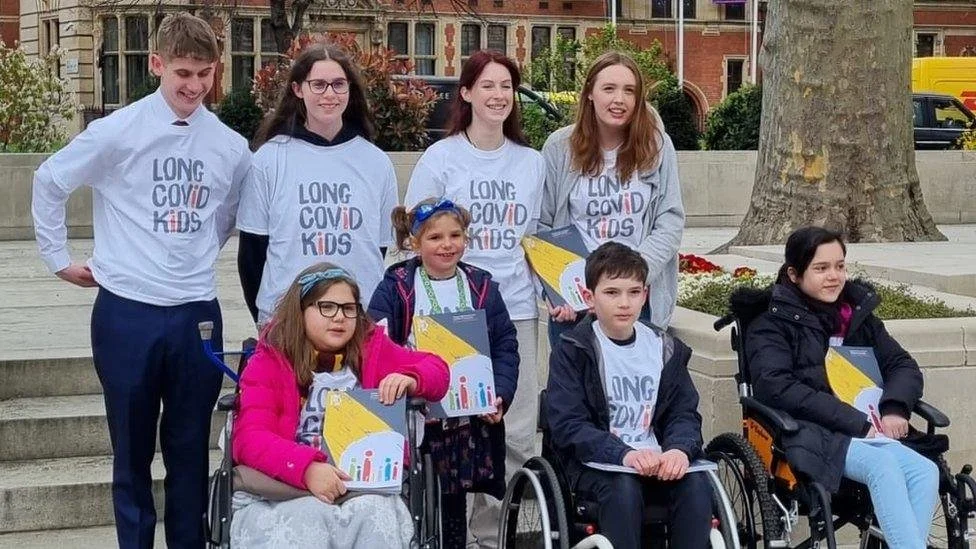
Children and young people can experience ongoing symptoms after Covid-19. For child-specific information and resources, including support for families, visit Long Covid Kids.
Help and support
See our Information and resources page for a range of information, including what to ask your GP, referral pathways, and support with work and daily life.